


How Environment and Lifestyle Factors Make Dry Eye Worse
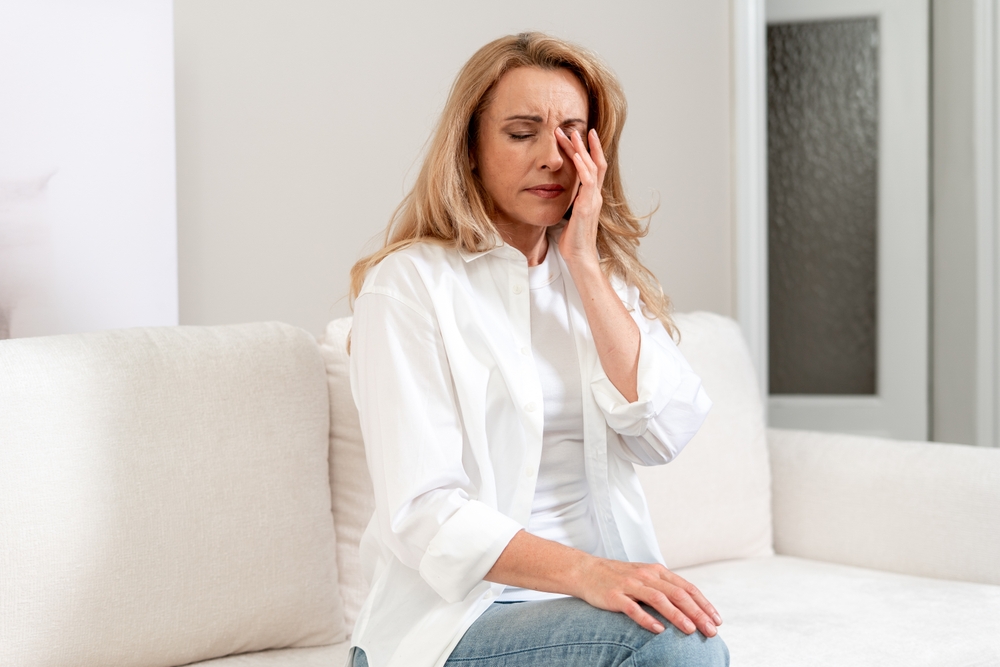
Dry eye can feel like burning, stinging, grittiness, watering, redness, or tired eyes. While many people think it only happens when the eyes do not make enough tears, dry eye is often connected to tear quality, inflammation, and how well the tear film stays stable between blinks.
At Refined Eye Care & Eyewear Gallery, we look at the factors that may be contributing to your symptoms so we can recommend care that fits your eyes, lifestyle, and daily routine.
Screen Time and Reduced Blinking
Long hours on phones, computers, and tablets can make dry eye worse because people tend to blink less when focusing on a screen. When blinking slows down, tears evaporate more quickly and the surface of the eye can become irritated.
Taking short screen breaks, blinking fully, and adjusting screen height can help reduce strain. Still, if symptoms keep returning, it may be a sign that the tear film needs a closer evaluation.
Air Quality, Wind, and Indoor Environments
Your surroundings can have a major effect on dry eye symptoms. Dry air, ceiling fans, air conditioning, heaters, smoke, and wind can all speed up tear evaporation. For some patients, symptoms are worse at work, in the car, or while sleeping with a fan nearby.
Common environmental triggers include:
- Air conditioning or heating vents blowing toward the face
- Windy outdoor conditions
- Smoke, dust, or allergens
- Low humidity indoors
- Long flights or dry office spaces
Small changes, such as redirecting vents or using a humidifier, may help, but persistent symptoms should be evaluated.
Contact Lenses and Eye Comfort
Contact lenses can sometimes make dry eye more noticeable, especially if the tear film is already unstable. Lenses sit on the eye all day, so dryness can lead to blurry vision, irritation, or the feeling that contacts become uncomfortable after only a few hours.
A dry eye evaluation can help us determine whether your symptoms are related to your lenses, tear quality, meibomian gland function, or another issue. In some cases, a different lens material, wearing schedule, or treatment plan may improve comfort.
Makeup, Skincare, and Eyelid Health
Products used around the eyes can also affect dry eye. Eyeliner, mascara, makeup remover, lash serums, and certain skincare products may irritate the eyelids or disrupt the glands that help produce the oily layer of the tear film.
Keeping the eyelids clean and avoiding products too close to the lash line may support better comfort. If you notice redness, crusting, burning, or irritation around the eyelids, it may be time to have your tear film and eyelid health checked.
Sleep, Hydration, and Daily Habits
Lifestyle habits can also influence dry eye. Poor sleep, dehydration, heavy screen use, and certain medications can all play a role in symptoms. Dry eye can also be linked with inflammation, allergies, hormonal changes, or underlying health conditions.
Because there are many possible causes, artificial tears may not be enough for lasting relief. We focus on identifying what is contributing to your dry eye so we can recommend options that support healthier, more comfortable eyes.
When to Schedule a Dry Eye Evaluation
If dry eye is affecting your reading, driving, screen use, contact lens comfort, or daily activities, it is worth getting checked. At our office, we offer dry eye treatments and advanced technology designed to address symptoms at the source, including options such as IPL and other personalized therapies.
For dry eye care that fits your lifestyle, contact Refined Eye Care & Eyewear Gallery in New Braunfels, TX by calling (830) 302-3357.



Info
Hours
- Monday 9:00am - 5:00pm
- Tuesday 9:00am - 5:00pm
- Wednesday 9:00am - 5:00pm
- Thursday 9:00am - 5:00pm
- Friday 9:00am - 2:00pm
- Saturday Closed
- Sunday Closed
- Currently Accepting New Patients!
© 2026 Refined Eye Care & Eyewear Gallery. All rights Reserved. Accessibility Statement - Privacy Policy - Sitemap
Powered by:
